
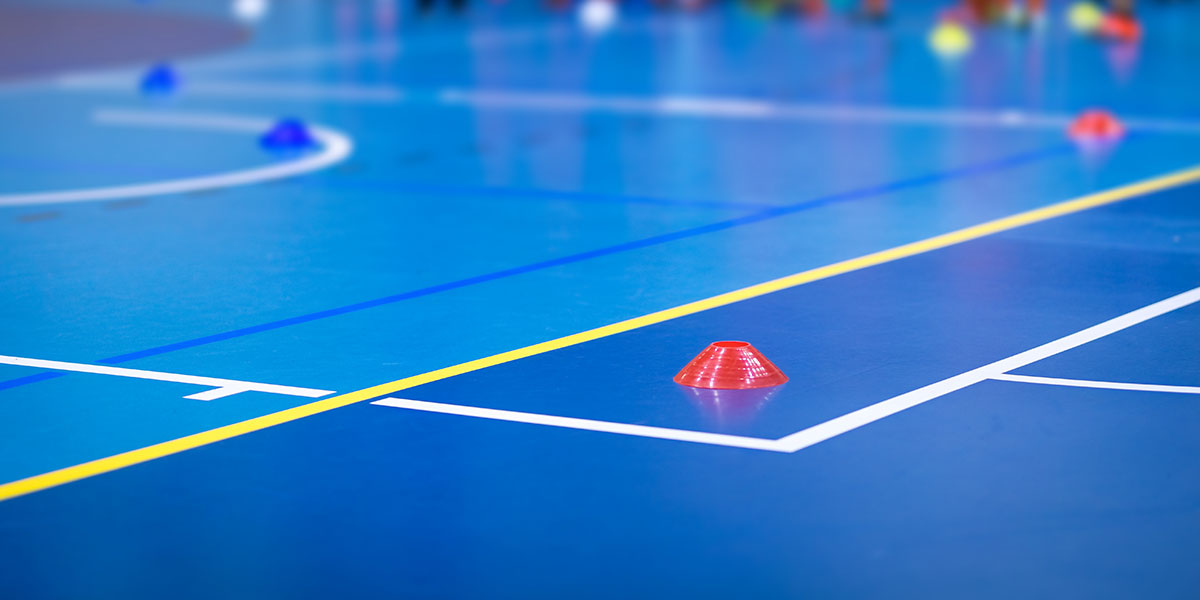
Sports ground flooring is an essential element in creating a safe and optimal playing environment for athletes. Whether it’s a basketball court, soccer field, or tennis court, the type of flooring used can greatly impact the performance and safety of players. From impact absorption to slip resistance, choosing the right flooring material is crucial in preventing injuries and ensuring a high level of play.
There are a variety of options available when it comes to sports ground flooring, including hardwood, synthetic turf, rubber, and concrete. Each material offers its own set of advantages and considerations, such as cost, maintenance requirements, and durability. By understanding the different types of sports ground flooring and their specific benefits, facility managers and sports teams can make informed decisions to create the best playing surface for their athletes.
Choosing the Right Flooring Material
When it comes to selecting the ideal sports ground flooring, facility managers and sports teams must consider a variety of factors. Hardwood flooring is a popular choice for indoor basketball courts due to its durability and classic appearance. Synthetic turf, on the other hand, is commonly used in outdoor soccer fields for its low maintenance requirements and ability to withstand different weather conditions. Rubber flooring is often seen in gyms and weight rooms for its shock absorption properties, making it safer for athletes during intense workouts. Concrete flooring is another option that provides a solid and long-lasting surface suitable for outdoor basketball courts. For those looking for versatile and customizable options, sports court flooring offers innovative solutions that cater to various sports requirements.
Maintaining a Safe Playing Surface
Once the sports ground flooring is installed, regular maintenance is essential to ensure the safety and longevity of the playing surface. Hardwood floors need to be refinished periodically to prevent splintering and maintain a smooth playing area. Synthetic turf should be inspected for any tears or loose fibers that could cause tripping hazards. Rubber flooring must be cleaned regularly to prevent the buildup of dirt and bacteria. Concrete surfaces should be sealed to protect against cracks and damage from outdoor elements. By implementing proper maintenance practices, facility managers can create a safe and enjoyable playing environment for athletes of all levels.
Overall, choosing the right sports ground flooring material is crucial for creating a safe and optimal playing environment for athletes. Understanding the benefits and considerations of different flooring options can help facility managers and sports teams make informed decisions. By selecting the appropriate flooring material and implementing regular maintenance practices, sports ground flooring can provide a reliable and durable surface that enhances player safety and performance. Creating a safe and enjoyable playing environment should always be a top priority when it comes to sports ground flooring.