
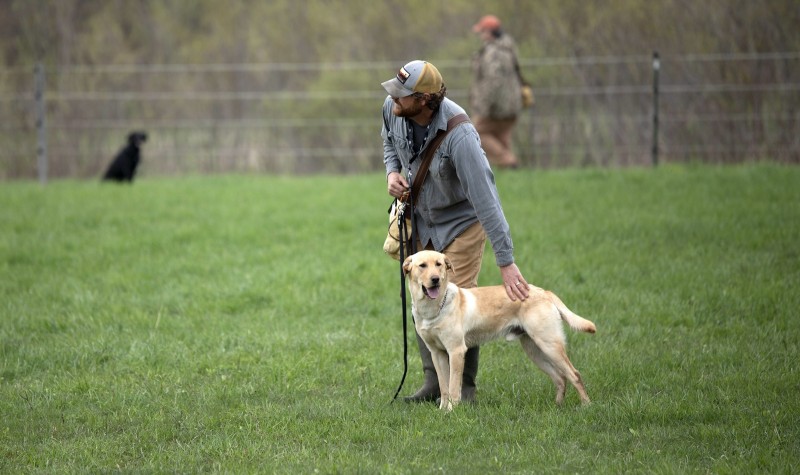
A dog trainer plays a vital role in helping dogs develop good behaviors and manners. Whether it’s teaching obedience commands, addressing behavioral issues, or training for specific purposes like agility or therapy work, a skilled dog trainer can make a significant impact on a dog’s life.
Through positive reinforcement techniques and effective communication, dog trainers work with both dogs and their owners to create harmonious relationships and ensure the well-being of their furry companions. In this article, we will explore the important role of a dog trainer, the skills and qualifications needed to succeed in this profession, and the various training methods used to help dogs thrive.
The Role of a Dog Trainer
A dog trainer plays a crucial role in helping dogs develop good behaviors and manners. They employ positive reinforcement techniques and effective communication to work with both the dogs and their owners, creating harmonious relationships. By teaching obedience commands, addressing behavioral issues, and providing training for specific purposes like agility or therapy work, a skilled dog trainer can make a significant impact on a dog’s life. For dogs with aggressive behavior, specialized training programs like Blanch aggressive dog behavior training may be beneficial in addressing their specific needs.
Skills and Methodologies in Dog Training
To succeed as a dog trainer, one must possess skills such as patience, empathy, and a deep understanding of canine behavior. By using various training methods like positive reinforcement, clicker training, and desensitization, trainers can help dogs thrive and reach their full potential. Understanding the different personalities and learning styles of dogs is essential in tailoring training programs to suit each individual dog. Specialized programs like Blanch aggressive dog behavior training can provide targeted solutions for dogs with specific behavioral issues.
In conclusion, being a dog trainer requires more than just teaching commands; it involves building trust, understanding behavior, and creating strong bonds between dogs and their owners. The skills and methodologies used in dog training are crucial in helping dogs thrive and reach their full potential. By utilizing positive reinforcement techniques and effective communication, dog trainers play a vital role in ensuring the well-being and happiness of our furry companions. Whether it’s addressing behavioral issues or training for specific purposes, a skilled dog trainer can truly make a difference in a dog’s life.