
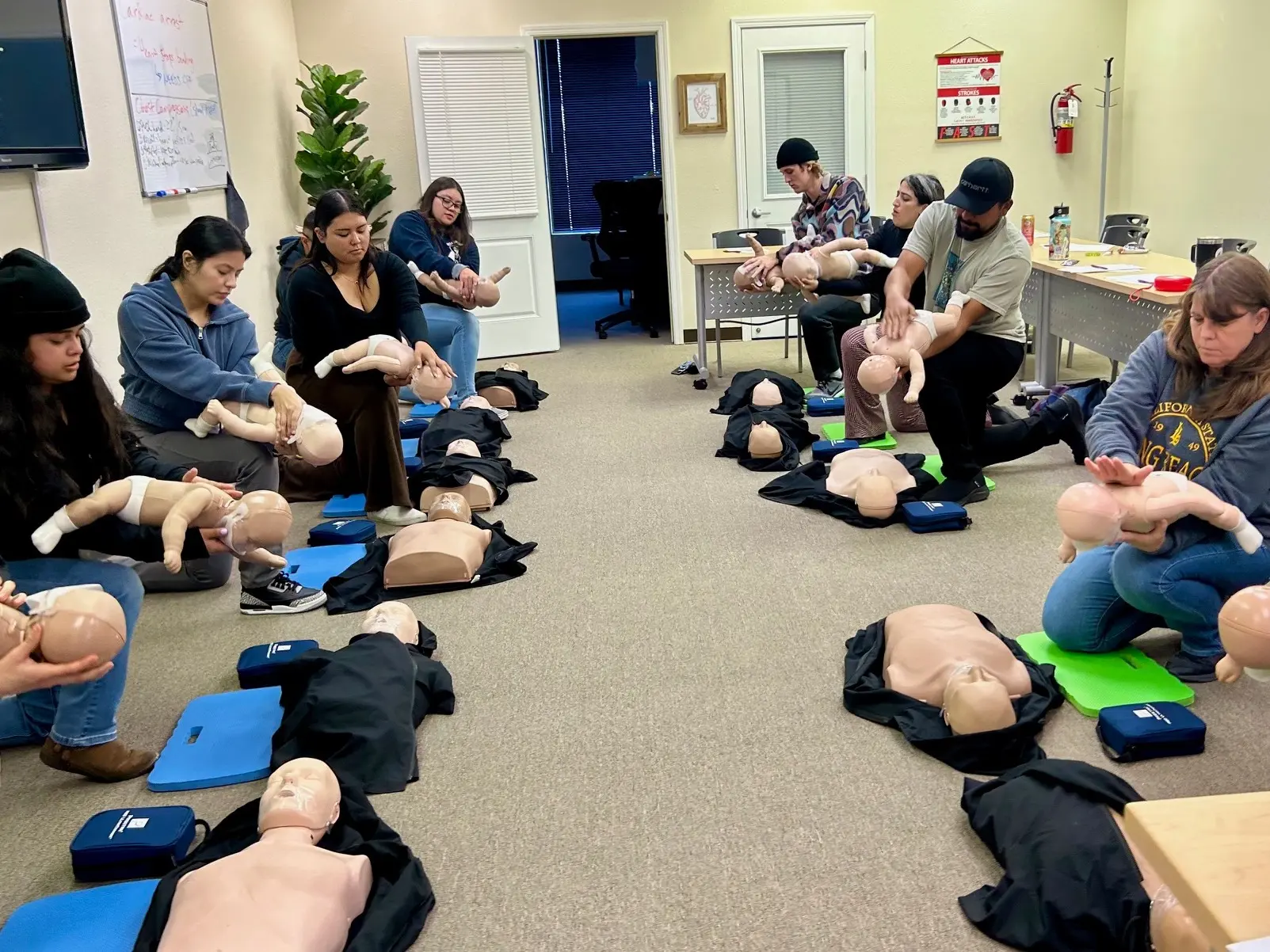
In today’s fast-paced world, being prepared for emergencies is more crucial than ever. Cardiopulmonary resuscitation (CPR) and first aid certification equips individuals with the essential skills and knowledge to respond effectively to life-threatening situations. From helping someone experiencing cardiac arrest to providing initial care for injuries, these skills can make a significant difference in critical moments. This article explores the importance of CPR and first aid training, the benefits of certification, and how becoming certified can empower individuals to act confidently in emergencies.
Whether you are a parent, teacher, healthcare worker, or simply a concerned citizen, obtaining CPR and first aid certification can enhance not only your personal safety skills but also contribute to a safer community. The training programs are designed to be accessible and informative, ensuring that anyone, regardless of their background, can learn how to save lives. By investing a few hours in training, you equip yourself with the ability to make informed decisions and potentially save lives when it matters most.
The Impact of CPR and First Aid Training
Obtaining CPR and first aid certification is not just about enhancing personal safety; it’s about fostering a culture of preparedness within your community. The knowledge gained from these training programs can empower individuals to become confident responders in emergency situations, helping to bridge the gap until professional medical assistance arrives. By mastering these critical skills, you can play a vital role in reducing fatalities and improving outcomes in emergencies. Moreover, these programs often incorporate hands-on practice, ensuring that participants are not only informed but also capable of executing their skills effectively under pressure.
Accessible Training for Everyone
One of the most significant benefits of CPR and first aid training is its accessibility. Various organizations offer courses that cater to different schedules, skill levels, and learning preferences. This ensures that anyone interested, whether a parent, educator, or healthcare professional, can find a program that fits their needs. The courses typically cover essential techniques, such as chest compressions and the Heimlich maneuver, and teach participants how to assess emergencies. Enrolling in a course, such as cpr and first aid certification, not only prepares you for a wide range of scenarios but also fosters a sense of community responsibility and support among those trained.
In conclusion, CPR and first aid certification is an invaluable asset that empowers individuals to take action during emergencies, ultimately creating a safer environment for everyone. The skills learned through these training programs are not only applicable in critical situations but also promote a sense of confidence and community among those who are trained. By committing to this essential education, you become part of a proactive network of life savers, ready to respond effectively when it counts the most. Whether at home, work, or in public spaces, your ability to provide immediate assistance can significantly impact the outcomes of emergencies, making your certification a vital investment in both personal and collective safety.